
From Launch to Lessons: Looking Back on the First Year of Monarch
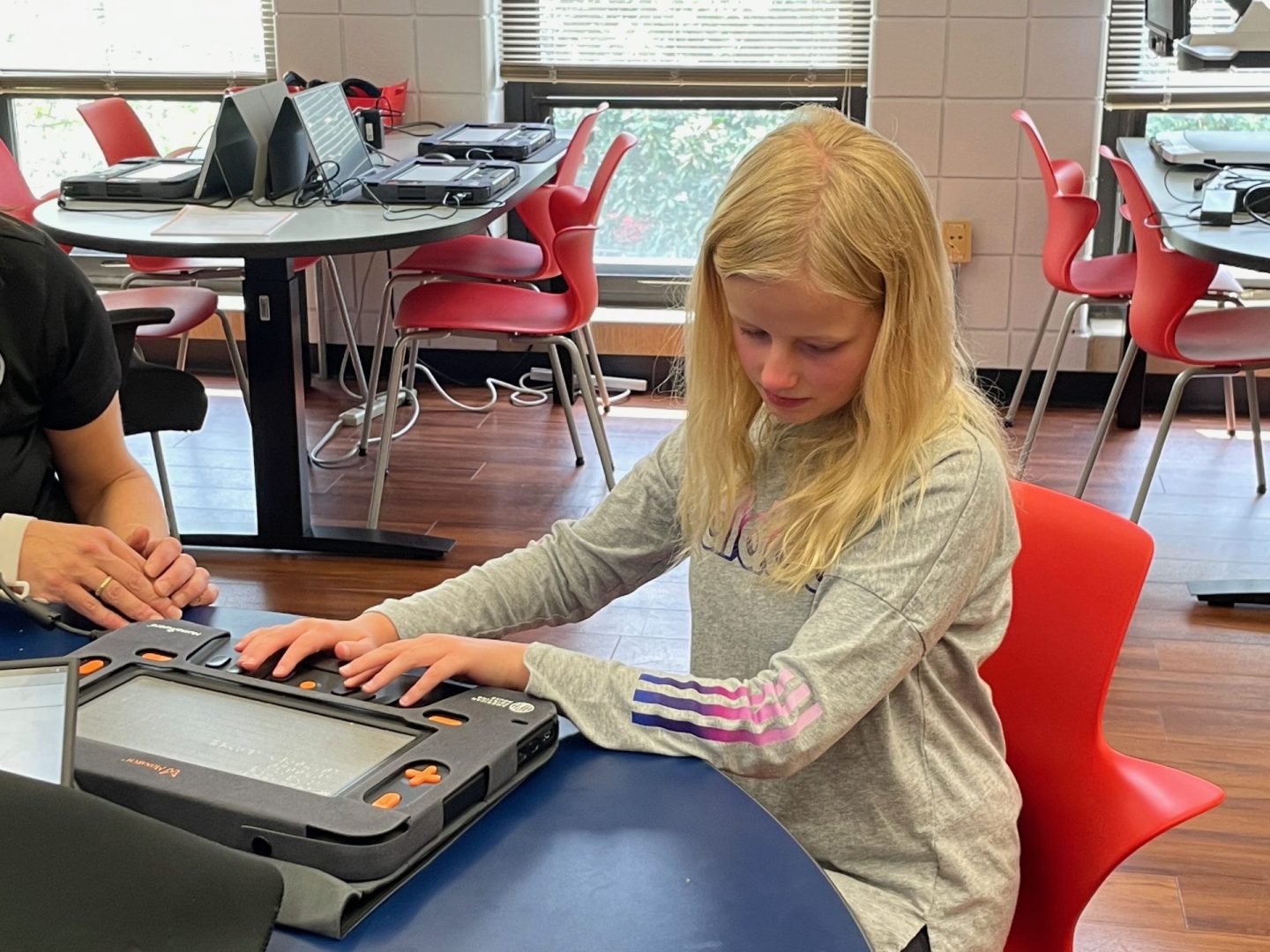
A year ago, we launched the Monarch Student Pilot Project (MSPP) with the bold goals of getting this revolutionary technology directly into the hands of students who are blind or low vision along with learning what it really takes for a multiline braille and tactile graphics device to make a meaningful difference in the classroom.
Built by HumanWare and American Printing House for the Blind (APH), Monarch represents a major shift in how braille readers interact with complex content, from multiline braille to bar graphs, maps, math notation, and more. No matter how advanced the technology, the real test was always going to be how it fits into the messy, busy, wonderful reality of the classroom. Does it help students and teachers do what they need to faster, easier, or better?
After our first year, the answer is complicated—in the best way.
Learning in Layers: What it Takes to Thrive
The first year of MSPP made it clear that introducing new technology like Monarch isn’t just about teaching students how to use a device. It’s about building the environment around that device—support systems, instructional strategies, workflows, and time—so it can thrive in the real world.
We’ve seen teachers figuring out what this tool means for lesson planning, pacing, and pedagogy. Even when it’s not easy, they’re sticking with it, learning alongside their students. Some needed help, not just with buttons and settings, but with rethinking how to teach math or science when a student suddenly had more information at their fingertips. That’s not just a new skill. It’s a new way of thinking.
Supporting that kind of shift meant moving fast. It meant finding ways to support students and teachers in real time, from mid-year transitions to tech troubleshooting, all while offering training that could adapt to each setting. It also meant tuning in, not just to successes, but to the sticking points, hesitations, and what still felt out of reach.
It meant collaborating across teams—technical, educational, and administrative—to respond in real time. Monarch may be a single device, but MSPP has reminded us that meaningful inclusion depends on a whole network working together: schools, families, support teams, content creators, and students themselves.
What We’re Learning
The first year didn’t just show us how students and teachers used Monarch. It showed what’s possible when the right tools are supported in the right ways.
We saw educators doing more than adapting. They were streamlining. For teachers who fully integrated Monarch into their workflow, lesson prep time dropped by as much as 30% to 35%. That kind of efficiency matters, especially in classrooms where time and energy are always in short supply.
With the right supports in place, Monarch became more than a device. It became a launchpad for student independence. Engagement jumped, not just in math and science, where tactile graphics transform a concept, but also in reading, writing, and personal organization. With more information in one place, students were more curious, focused, and independent.
Outside the classroom, something unexpected happened: families began to bridge gaps. For some, Monarch created new ways to connect across braille and print by giving users the ability to share documents and compare notes, even exchanging emails using new features like KeyMail. Those small moments add up to something bigger: a stronger support system for students wherever learning happens.
At the same time, one message came through loud and clear: the device alone isn’t enough. Educators need more resources and training—not just once, but throughout the year—to make the most of what Monarch can offer. That’s not a setback. It’s a roadmap.
Final Thoughts
The Monarch Student Pilot Project isn’t about proving perfection, it’s about surfacing the right questions. What does it take to bring innovative braille technology into real-world settings? What kind of support do students and teachers need? What’s possible when those pieces begin to come together?
One year in, we’re thankful to everyone who’s made this work possible. We’re grateful for the students testing new ground, the educators adapting and adjusting in real time, and the families who keep showing up with ideas, feedback, and support. There’s still more to learn—and we’re excited for what comes next.
Share this article.
Related articles
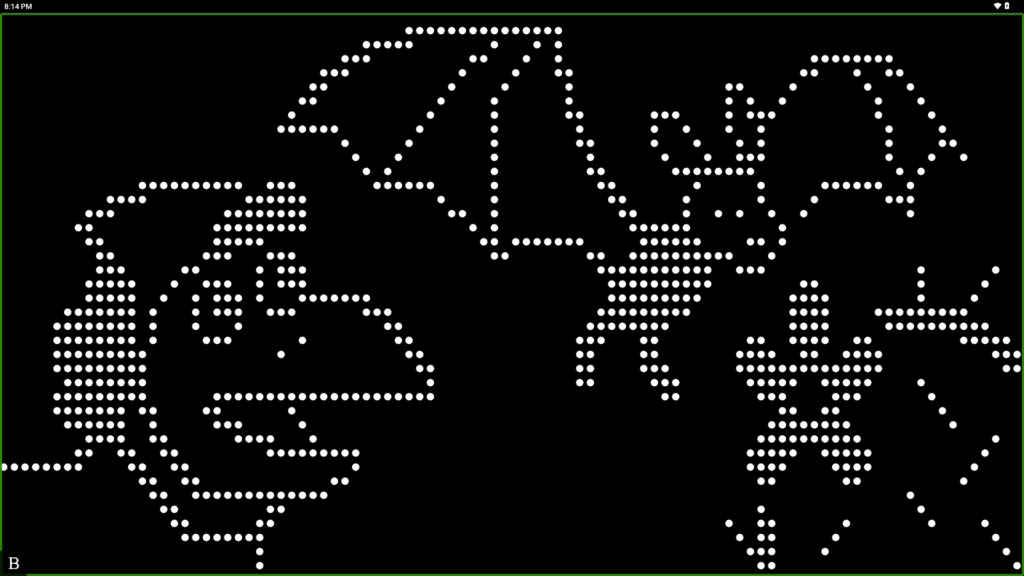
PBS Kids’ Cyberchase Echo Explorers Now a Tactile Game on Monarch
A new partnership between American Printing House (APH) and the team behind the PBS KIDS series, Cyberchase, brings a popular...
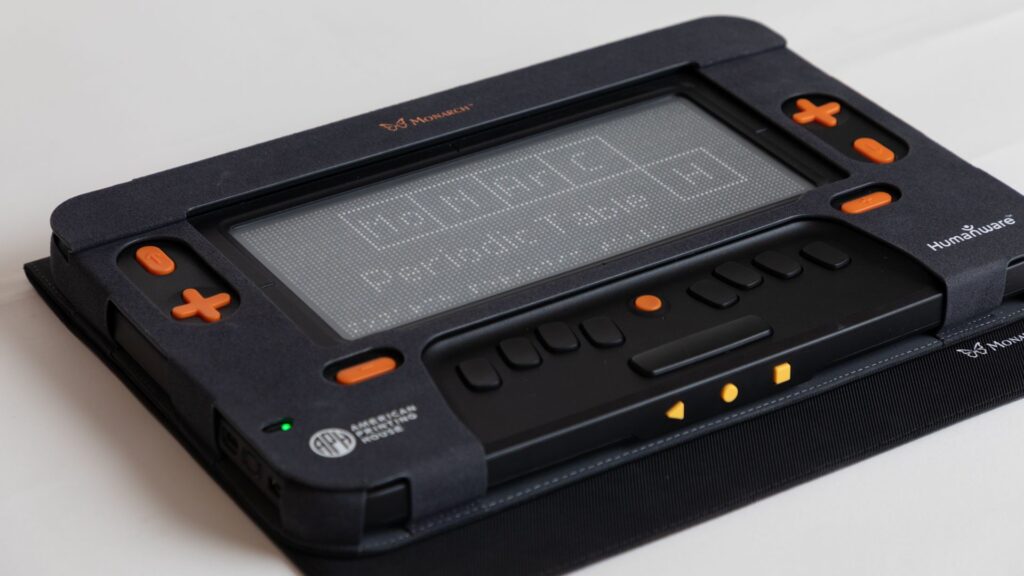
Expanding Accessible Learning Opportunities with Monarch Apps
The Monarch is a unique multi-line braille display that creates a world of endless possibility for accessible learning. While the 10-line display...
Introducing the BRF to eBraille Converter
We are excited to introduce the BRF to eBraille Converter, a new tool that helps bridge familiar braille workflows with the future...