
Making Your Own Accessible Materials
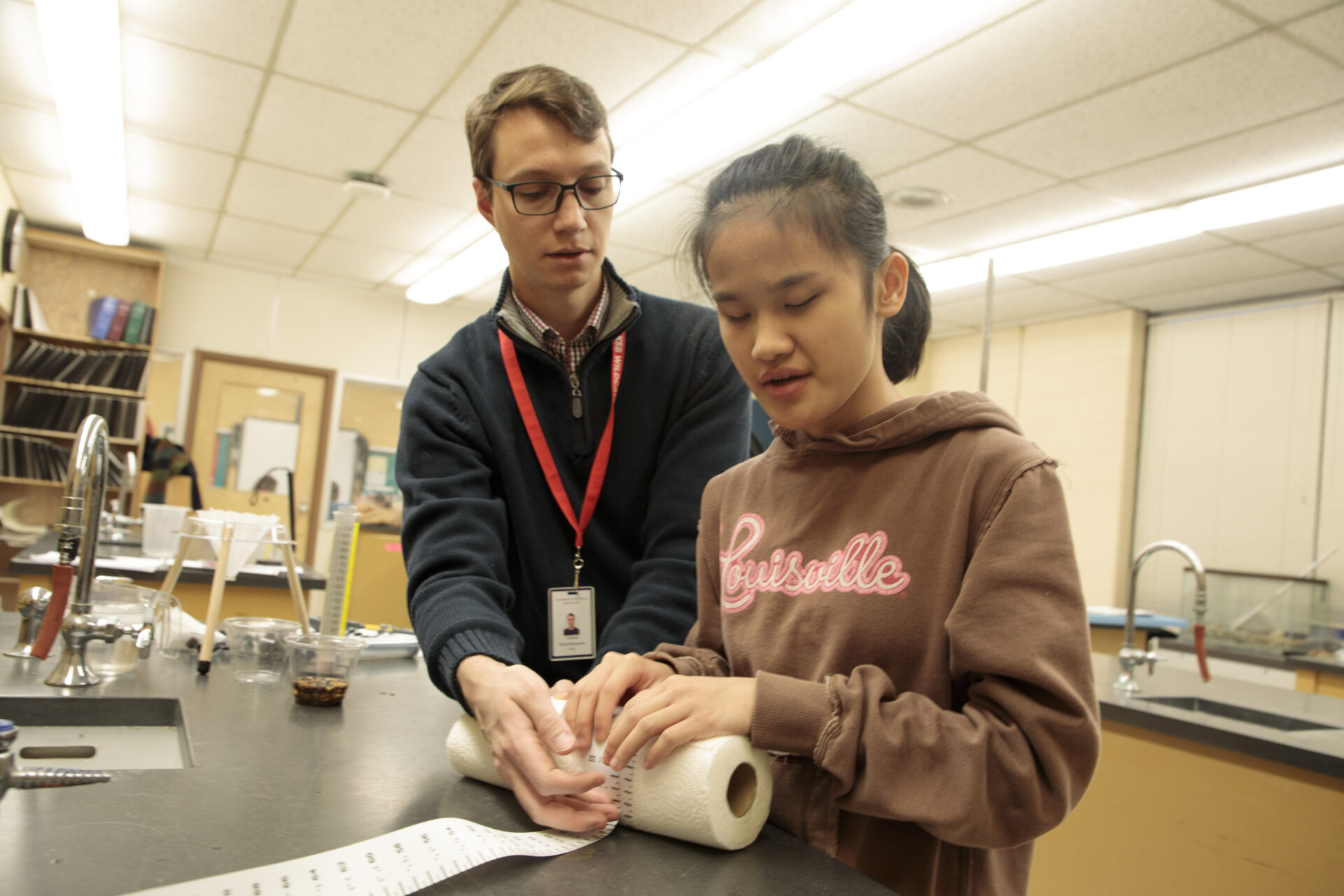
As schools prepare to welcome students back for another year, teachers, parents, and students alike wonder what kind of accessible materials will be needed to ensure that each student is successful in the classroom. Lauralyn Randles, Director of Product Advancement at APH, gave us some wonderful tips and tricks on how to make your own accessible materials the classroom.
We know that teachers want to help their students, see them grow, and show them all of the different paths they could take, so making sure the classroom and lessons are as accessible as possible is an important goal. Oftentimes, materials have to be made accessible. Even if you don’t have much experience with accessibility, there are simple steps you can take that can help each student in your classroom. Making all parts of your class accessible from the ground up, called Universal Design for Learning (UDL), almost always ensures that the class will be more accessible to students.
Lauralyn explains why making materials accessible from the very beginning makes the whole process smoother saying, “Making your own work accessible from the start is actually much easier than going back to layer accessibility on after the fact.” A great example of this is writing in an easy-to-read font from the beginning instead of going back and editing the entire document when a student needs a certain font to be used in order to be able to read it. Using an easy-to-read font from the beginning means less change needs to happen after the fact, and all students will appreciate having something that is easy to access.
Additionally, when you make your own materials accessible, you are able to make them unique to both your teaching style and your students’ learning styles. Everyone has different approaches, needs, and goals when it comes to learning, and we know that teachers take a lot of pride in their lesson plans. By making sure you are including accessibility in the beginning, you will be able to mold the assignments into something that works for your class and your students without having to try to modify things at the last minute. “If you are taking the time and care to craft content, why not also take the time to make it accessible?” says Lauralyn.
When you are doing a presentation, making sure you are reading everything on the screen can help students who might not have a clear view of the board just as much as it will help students who are blind or low vision. Also, making sure slides have high contrast and an easy-to-read font can make it easier for all students to see the content. If your class comes across photos in either books or on slides, verbally describing the photos while you are teaching will help any student who might not have a clear view of the image. When using a board in general, having a printout of whatever content you are writing can help students who might not be able to write quickly enough before a slide changes or something is erased. Everyone has an easier time reading when there is good spacing, good contrast, and a simple, large font.
Making your own accessible materials not only benefits your students with disabilities, but it can also benefit you as the teacher along with every other student in the classroom. Accessibility has a far reach that can positively impact everyone when it is part of the initial thought process. Remember that most programs have built-in accessibility checkers. Still, if you are unfamiliar with accessibility or how to make different projects accessible to those who are blind or low vision, APH has lots of resources that can help, including this blog about Classroom Accommodations, a page full of Educational Resources, and so much more on APH’s website. Accessibility makes it possible to include everyone!
Share this article.
Related articles
Solid Light: Cynthia Torp’s Unique Model
We’ve been learning about the creation of The Dot Experience through the lens of the team at Solid Light. We...
Louis and the AMP Database: Supporting Students and the Field
The Louis Database The concept of sharing information between braille-producing agencies dates back to the 1950s, when APH used a...
Creating Inclusive Museum Experiences: The Role of Media Integration in The Dot Experience
We recently had the opportunity to talk with Billy Boyd and Annie Schauer from Solid Light to learn more about...