
Monarch is Making a Difference: Hannah DeFelice’s Story
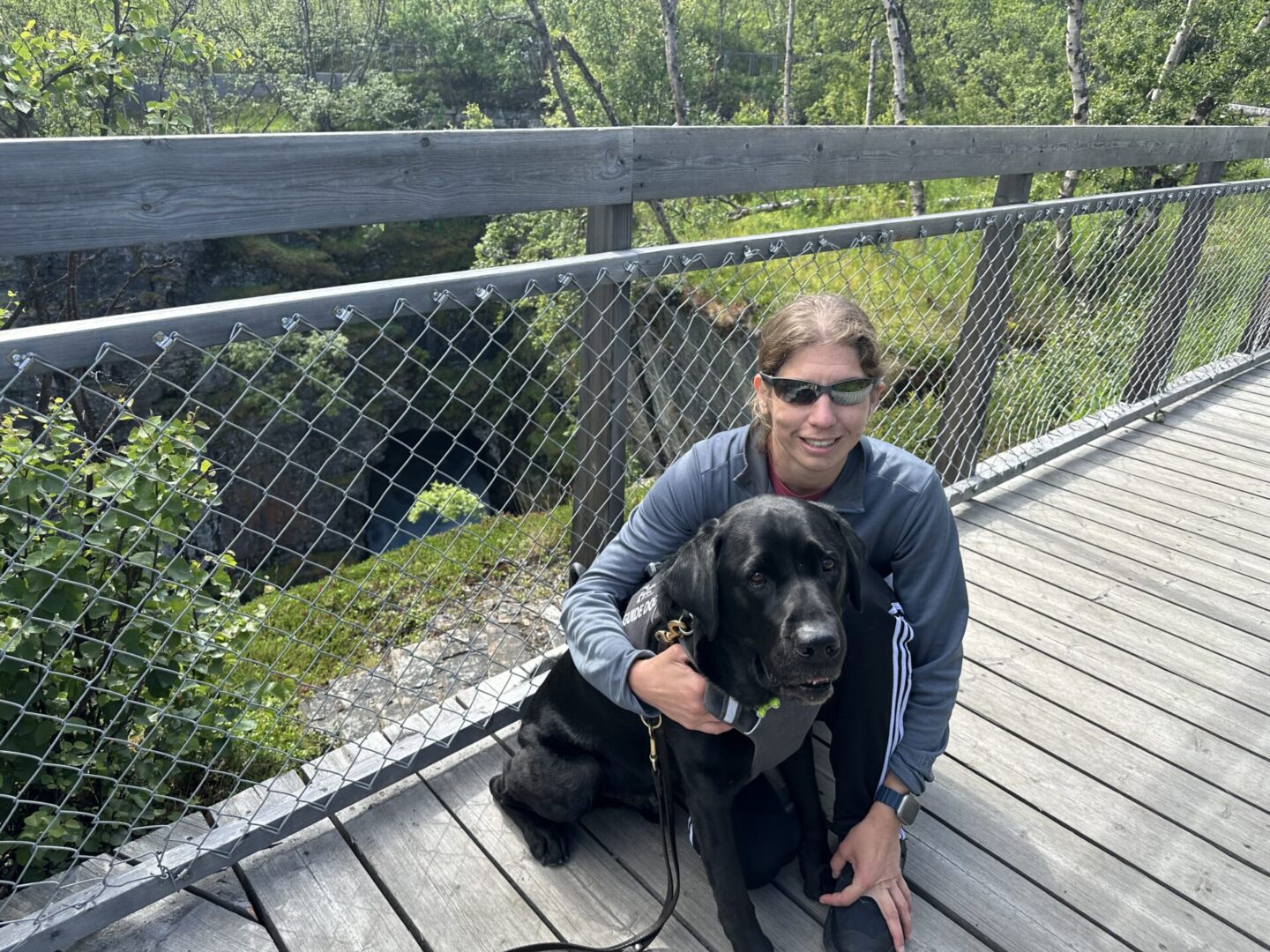
Hannah DeFelice is the first DeafBlind PhD student in her program at Cornell University where she studies ecology and evolutionary biology. She received her Monarch this past fall, prior to starting her PhD program, and was excited to share with us how much of a difference it has made.
Hannah always knew she wanted to be a scientist, but STEM fields pose more than a few different barriers to someone who is DeafBlind. A lot of mapping, graphing, and coding are involved in the degree fields Hannah was interested in pursuing, and prior to owning a Monarch, she had to do a significant amount of extra work to keep up with her peers. A lot of times Hannah had to rely on her memory, interpreters giving visual descriptions, screen readers, and a single line 40 cell refreshable braille display to complete the coursework and participate in research. After getting accepted into a prestigious PhD program, Hannah knew she wanted to try and find a new piece of assistive technology that would aid in her independence in academia. She diligently petitioned her state vocational rehab for close to a year so that she could obtain her very own Monarch. Since receiving her Monarch, Hannah has continually found new ways the device can help her both in and outside of her studies.
Before Monarch, Hannah would have to rely on multiple pieces of technology to do specific tasks within her field. In the past, she would often have to use her refreshable braille display, a computer, and a talking calculator to accomplish a task. Now, Hannah can do all those same tasks with only one piece of technology. Two areas that have been the most helpful for Hannah on Monarch have been the multi-line braille display and the ability to graph on the device itself. Because she has to do a lot of coding in her degree program, being able to read multiple lines of code at once has improved her accuracy and speed. In the past, Hannah mostly relied on visual descriptions of graphs and maps, but now she can create them herself and access the information independently.
Monarch has helped Hannah outside of the classroom, too. With help from Monarch, Hannah has been able to look up images of different things she’s never seen before. This has allowed her to have a bigger picture of various parts of the world around her. A specific example of this is when Hannah was able to look up maps of the city and local hiking trails and study them before taking on the routes herself. She was also able to use the Monarch to access a drawing her niece drew for her. Hannah’s sister traced the image on her phone and then imported it to the Monarch so Hannah could access the sweet gift that her niece had given her.
Not only is Hannah grateful for what the Monarch has done for her, she is excited for the ways it will help the students who come after her. So many blind or low vision students avoid STEM fields because of the lack of accommodations at the grade school level. Monarch will make it easier for students to have access to STEM classes from a young age, which will help increase the number of blind or low vision students entering programs like hers. Hannah is overwhelmingly grateful for her Monarch. “The Monarch has allowed me to have more independent access to charts and graphs that are essential for my field,” DeFelice said. Although she is used to being a trailblazer, Monarch makes it easier for Hannah to progress through her PhD program. As someone who is DeafBlind, she appreciates Monarch’s focus on braille. “Braille is communication,” DeFelice said. Since she is unable to rely on audio, Hannah needs to use braille-focused assistive tech and Monarch is just the piece of technology that she needs.
The Monarch continues to break down barriers and open fields for more blind or low vision students. To learn more about Monarch, visit our Meet Monarch page. To read more stories like Hannah’s, visit some of our blogs linked below!
Share this article.
Related articles
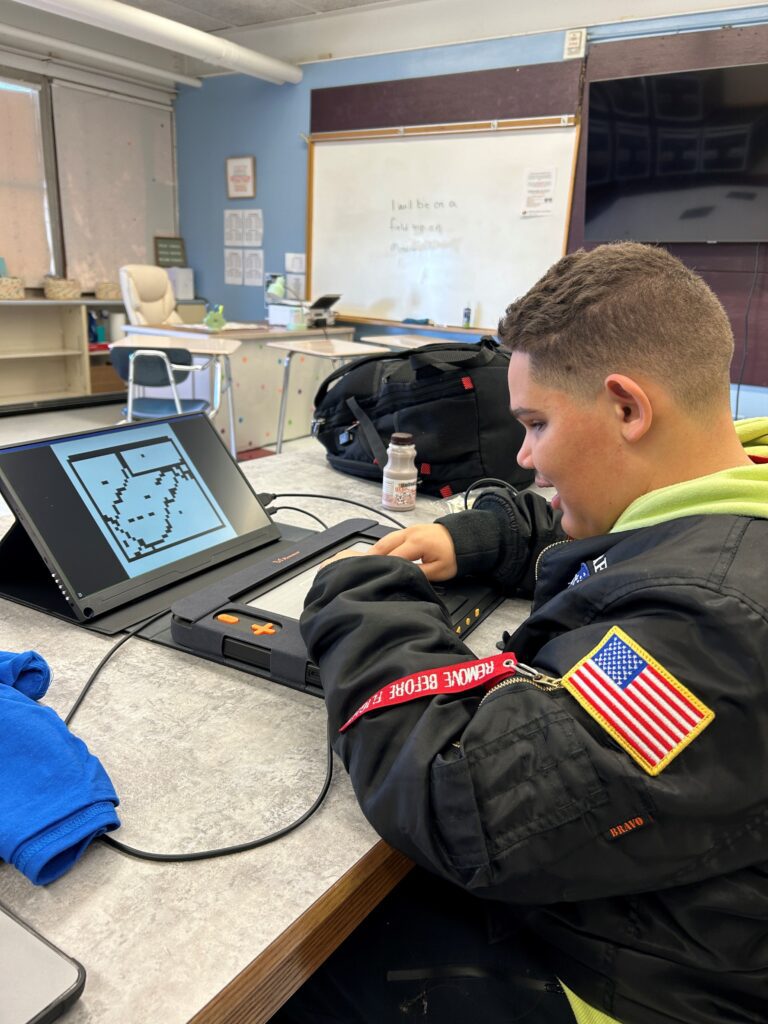
Monarch is Making a Difference: Kristina Vannoy’s Story
Monarch is continuing to change the game for students who are blind or low vision. Part of the Monarch Student...
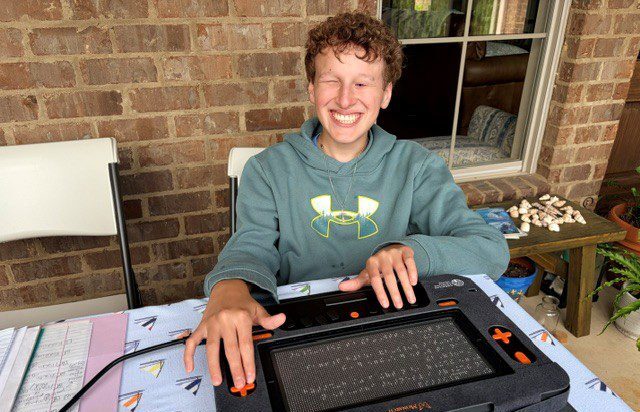
Monarch is Making a Difference: Daniel Harris’s Story
About to finish his junior year of high school, Daniel Harris received his Monarch in the fall of 2025. Ever...
Learning with Screen Readers
Screen readers are a part of everyday life for many people who are blind or low vision. They can be...