
Lights, Camera, Symposium!
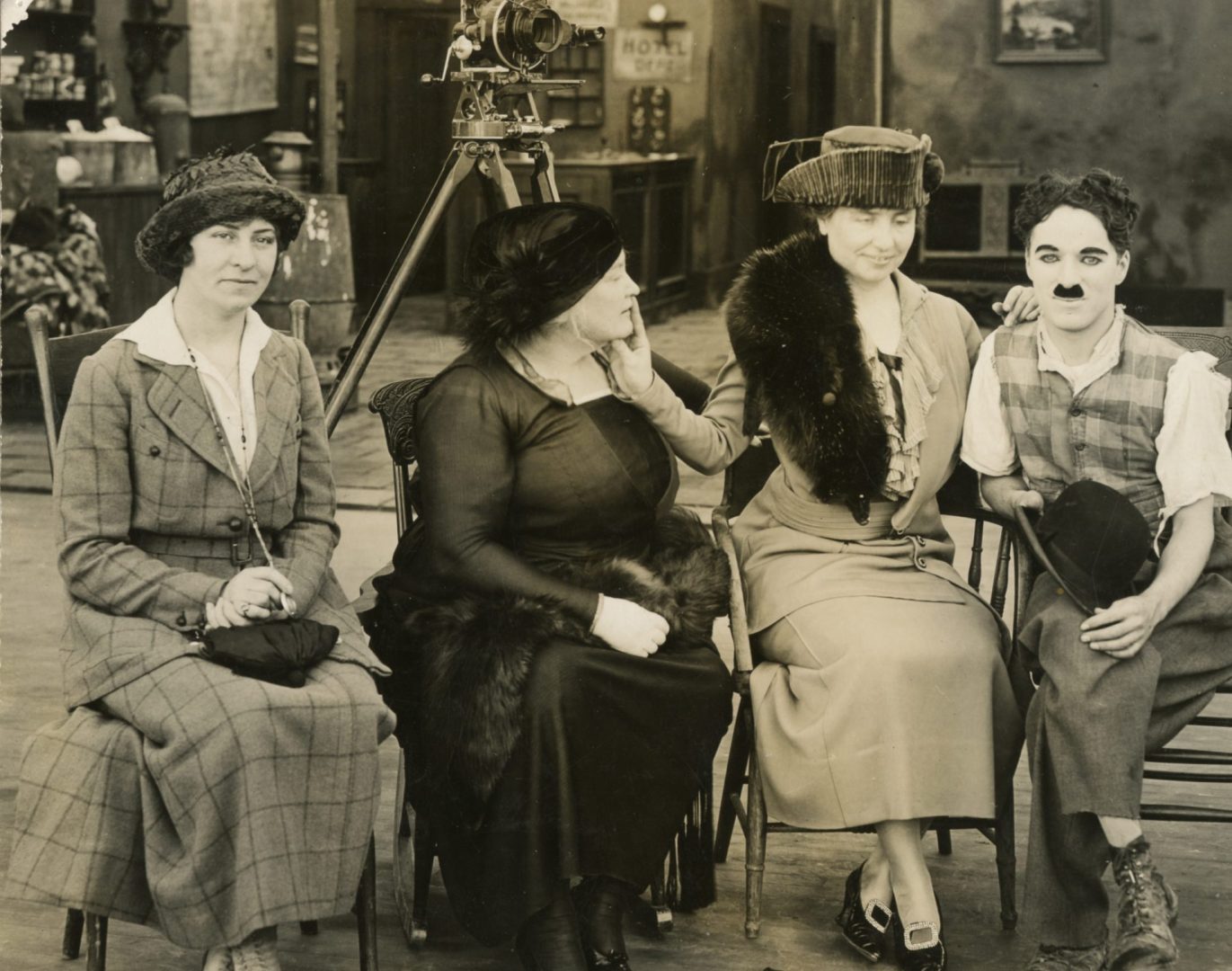
Photo caption: Left to Right, Polly Thomson, Anne Sullivan, Helen Keller, Charlie Chaplin. Photo AFB Helen Keller Archive.
When I was a kid, I loved those 1930s era “Our Gang” serials. The group would get bored and one would say, “Hey kids! Let’s put on a show!” and the next thing you know a yard full of children were sitting in front of a stage shouting for the “Flory Dory Girls.”
More than a year ago, our museum started planning a big show of our own, a history symposium to publicize and celebrate the arrival of the American Foundation for the Blind (AFB) Helen Keller Archive. It turns out it’s not as easy as the gang made it look to pull these things off. There are a lot of details.
First, you need speakers. And if you’re going to explore Keller’s legacy, whose story is often misremembered and misunderstood, you need speakers that can approach the topic from a lot of different directions. You need people from the communities that Keller represented: people who are blind, people who are deaf, people who are deafblind. You need published scholars with years of teaching and lecturing. You need new voices interpreting Keller’s story for today’s generation. I think we’ve done that. Our sessions are dynamic and diverse.
You need a dynamic keynote speaker. Sanjay Gulati is a deaf child and adolescent psychiatrist at Cambridge Hospital and Boston Children’s Hospital. Dr. Gulati will explore how language acquisition creates our emotional and intellectual worlds, allowing us to appreciate the value of communication strategies more fully, from American Sign Language to braille. I can’t wait for him to take the podium.
You need accessibility services: braille, ASL interpreters, captioning services, and assistive listening devices. One of our presenters, writer Cristina Hartmann, presents at conferences using an adaptation of ASL called protactile. Unlike ASL, which relies on visual information, protactile is oriented towards touch and is practiced on the body. Those interpreters are rare right now, and we’re bringing in a team from around the country.
You need food. You need AV and computers and cameras and lights, and a place for guide dogs to relieve themselves. You need print/braille documents. You need to edit PowerPoint presentations into accessible forms. You need a website and social media and marketing, and a registration process.
You need a site, which we found by partnering with the Filson Historical Society, to host the meeting in their beautiful new conference center. In short, you need a lot: a lot of friends, a lot of helpers, a lot of stuff that I never thought about before we thought this thing up. It turns out it is pretty expensive to fly from Scotland.
But on September 17 and 18 this summer, APH and the Filson are going to put on a show. Can you join us? It ought not to be missed! Follow this link to register!
Micheal Hudson is the Director of the Museum of the American Printing House for the Blind.
Share this article.
Related articles
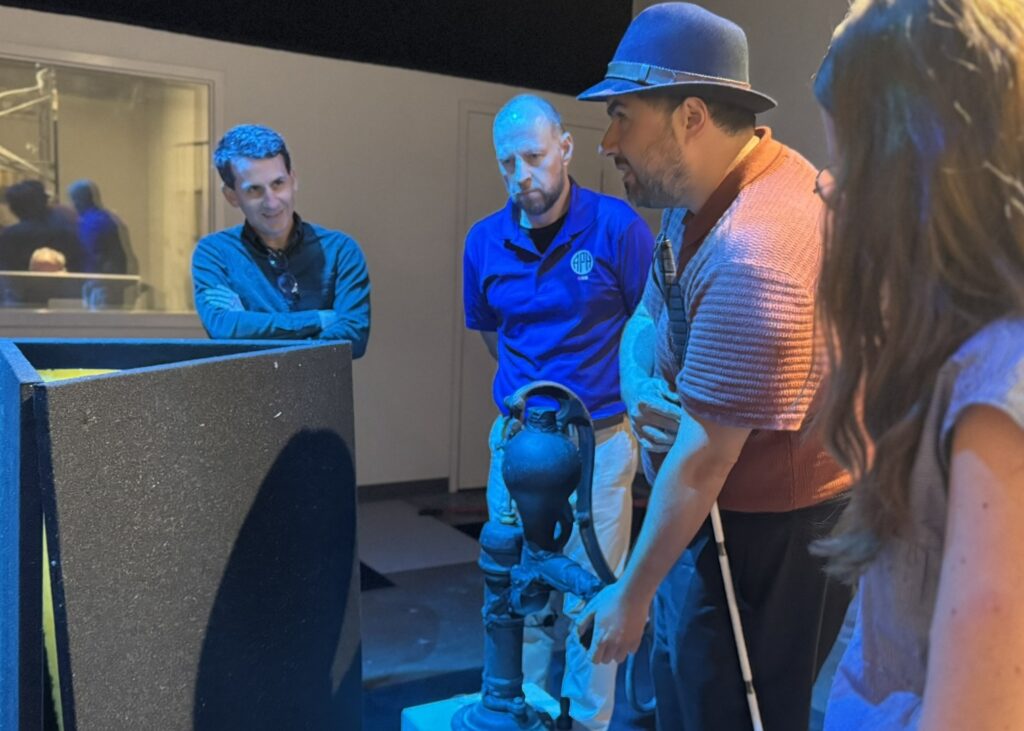
Bringing Helen Keller’s Water Pump to Life at The Dot Experience
What was it like for six-year-old Helen Keller to discover language? Those seconds of wonder, understanding, and awe are frozen...
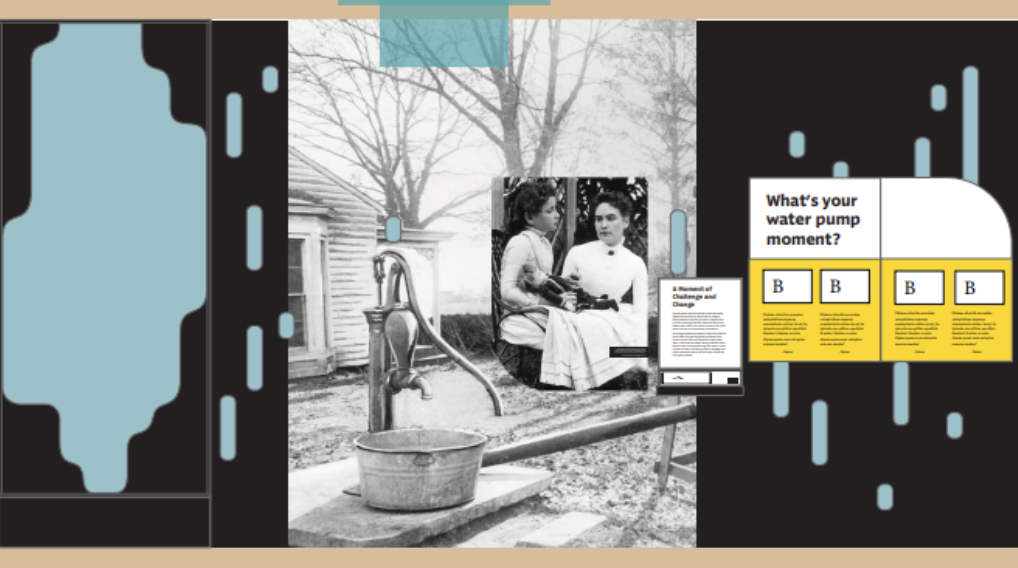
Finding Helen Keller’s Water Pump: An Ongoing Investigation
As APH continues to design exhibits for The Dot Experience, we are working to create the most accurate representations as...
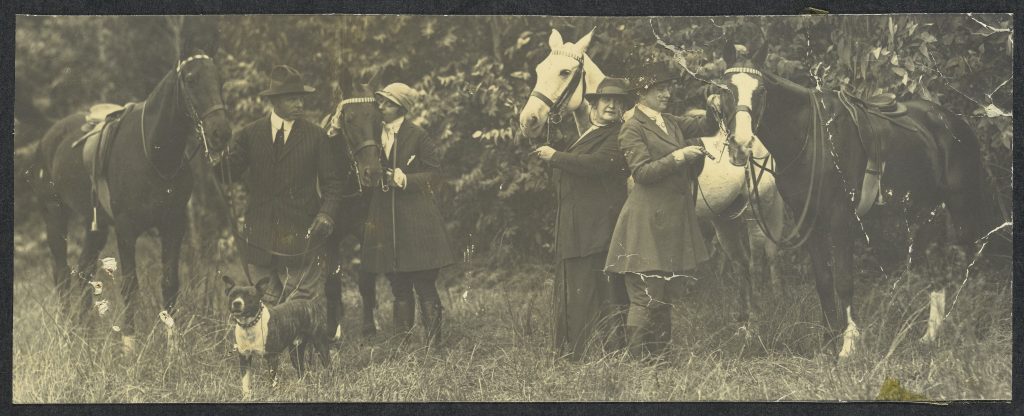
Paws and Reflect: Helen Keller and Her Dogs
As we reflect on the life and legacy of Helen Keller, born on this day, June 27, 1880, we remember...