
One Year Later: Celebrating and Reflecting on the Monarch
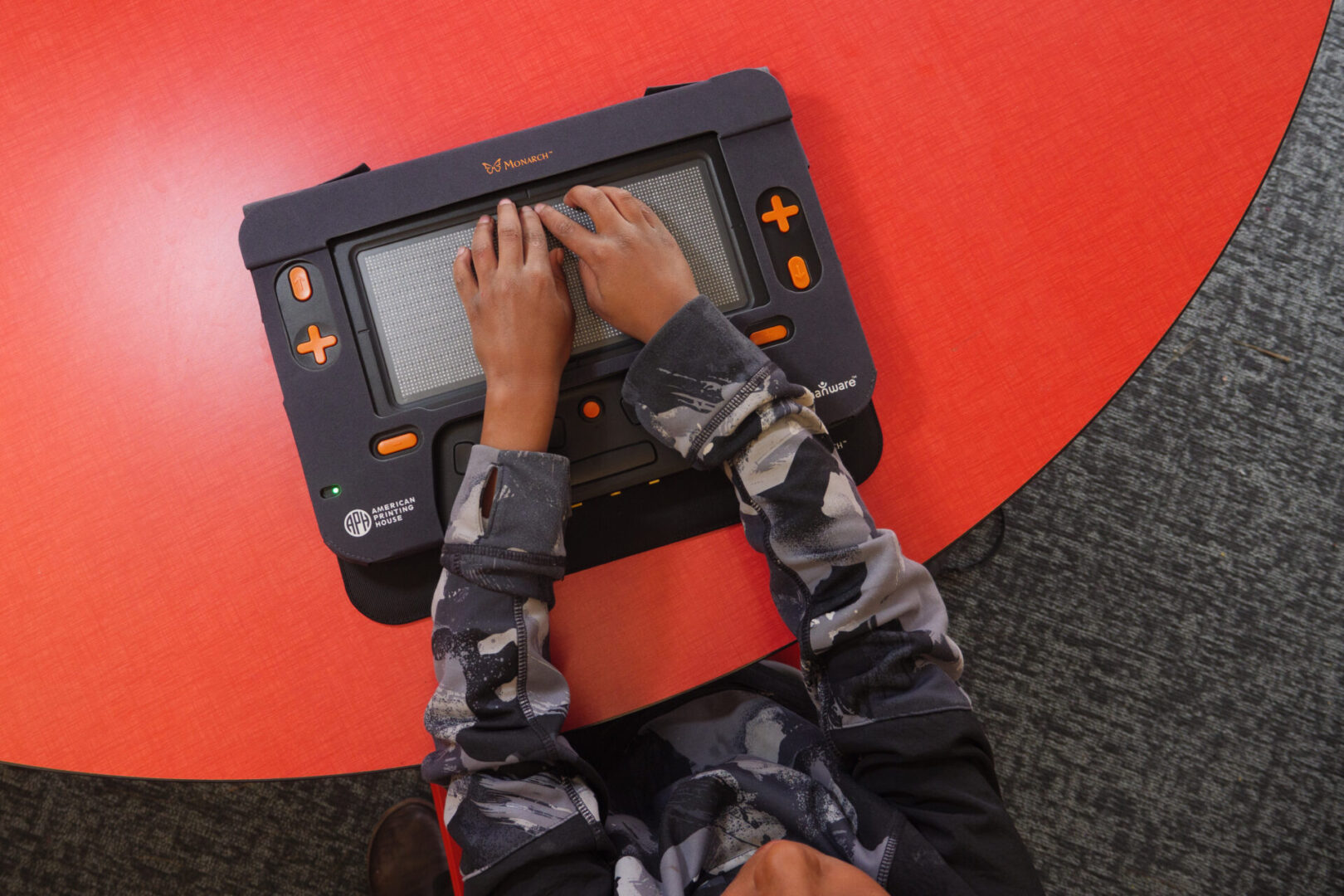
One year ago, Monarch took flight changing the lives of teachers, students, and families across the world. With over 1,000 Monarchs currently out in the wild, countless homes, classrooms, and workplaces have experienced the difference Monarch can make. Monarch webinars, teacher trainings, and careful customer support calls have ensured that each Monarch user is equipped with as much support as possible while navigating the new device.
Teachers have been able to confidently integrate Monarch into classrooms and create curriculum with the device. Educators with Monarch in the classroom were asked how long it took them to prepare a lesson plan at the beginning of their time with Monarch and again at the end of the first year. For those who incorporated the Monarch into their lesson prep, the time it took to develop lesson plans decreased by over 30%. “As with anything, there can be a hurdle learning how Monarch can be brought into the classroom. But, for those that push past that, and take the time to really learn, there is a huge benefit to their instructional lift,” said APH’s Monarch Student Pilot Project Manager, Sarah Gauer.
Through the Monarch Student Pilot Project, 225 Monarchs have been given to students and their families. “I had not anticipated hearing so many great stories about the effect Monarch had on families. I knew we’d hear from the students, but hearing from families was so impactful,” said Gauer. In one case, a teacher noticed that a student who historically struggled with completing homework was not only finishing assignments, but really improving their skills. Because of Monarch, the student’s parent, who is not able to read braille, was finally able to assist their student with schoolwork. The device not only bridged the instructional gap, but provided this family with a way to connect where they had been unable to for so long. Another student started a book club within her family. Because of the multi-line display, she was able to read easily alongside her parents as they read their print copies aloud. “It makes me emotional, hearing stories of these students and their families,” said Gauer.
Thanks to Monarch, students have had access to over 2000 graphics within the Tactile Graphic Image Library (TGIL). “Being able to have access to this many graphics is really transformative,” said Gauer. “The kids are already clamoring for more. There is a real thirst there.” 70% of students said that they have learned something new because of the graphic access Monarch has given them. One student in particular had spent a lot of time bowling with their family, but never saw or understood the setup of a bowling alley until seeing a graphic on the Monarch. “Some of the small things students were missing out on, they now have access to,” said Gauer.
Looking forward to this next year, the hope is that more students who are blind or low vision will get to experience the effects of having a Monarch. “I look forward to reaching that tipping point, where there’s a Monarch in every classroom. I think with this technology, we’ll see a big shift in how education is approached for both sighted and blind or low vision students,” said Gauer. To learn more about Monarch and the many Monarch Projects, visit our Meet Monarch page. To read about some of the lives impacted by Monarch over this past year, visit our blog site, or dive into a few of the stories linked below.
Share this article.
Related articles
Monarch is Making a Difference: Creating New Holiday Traditions
A Pre-Employment Transition Skills Trainer with Advocates Searching for Independence (ASI), LLC, Daniel Martinez received his Monarch through the Monarch...
Building Connections with Monarch and Visual Outputs
The Monarch has created unprecedented levels of access for blind or low vision users in homes, classrooms, and individual workplaces....
Making Your Own Accessible Materials
As schools prepare to welcome students back for another year, teachers, parents, and students alike wonder what kind of accessible...