The Dot Experience is now open! Buy your tickets today.

National Coding Symposium
Register Today!
The APH National Coding Symposium is a 4-hour virtual event with a wide range of computer science focus areas including accessible coding strategies, projects, tools, and more!
When: Tuesday, December 8, 2026, 12:00 – 4:00 p.m. EST
What is the APH National Coding Symposium and Day of Code?
The APH National Coding Symposium is a virtual event that provides an overview of how coding is and can be made accessible to users who rely on screen access software. This symposium, to be held on December 8th, 2026, hopes to inspire elementary, middle, high school, and college-age students who are blind or visually impaired to become future leaders in careers inclusive of, and related to, programming and software development. Additionally, this event strives to provide teachers with the ideas, resources, and supports they need to teach coding concepts with ease. The goal of the Coding Symposium is to build connections between students, teachers, and professionals in computer science.
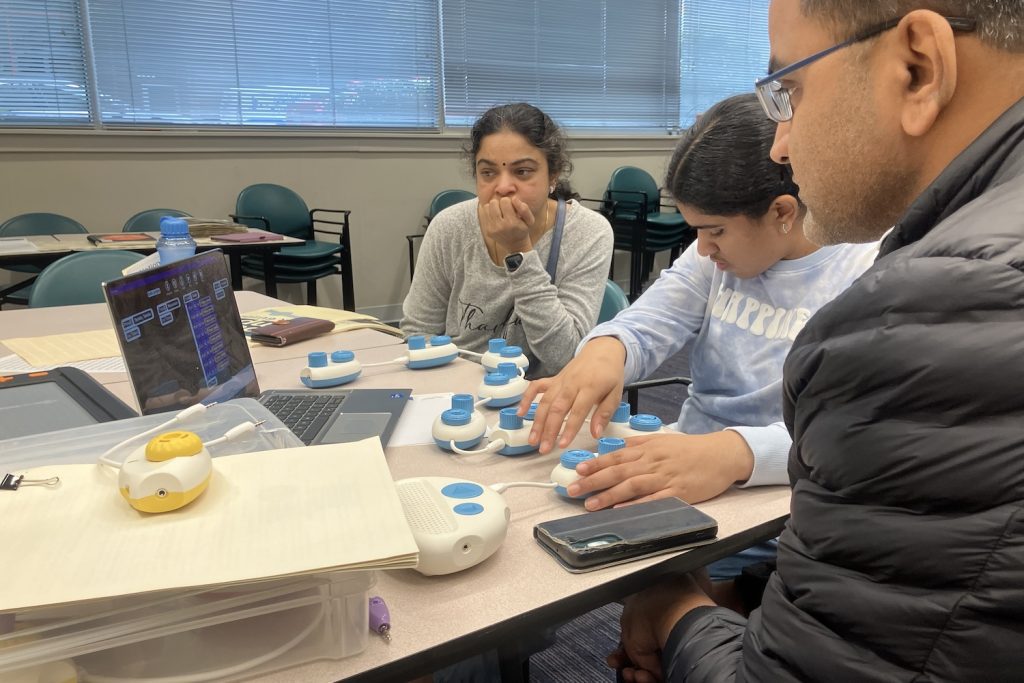
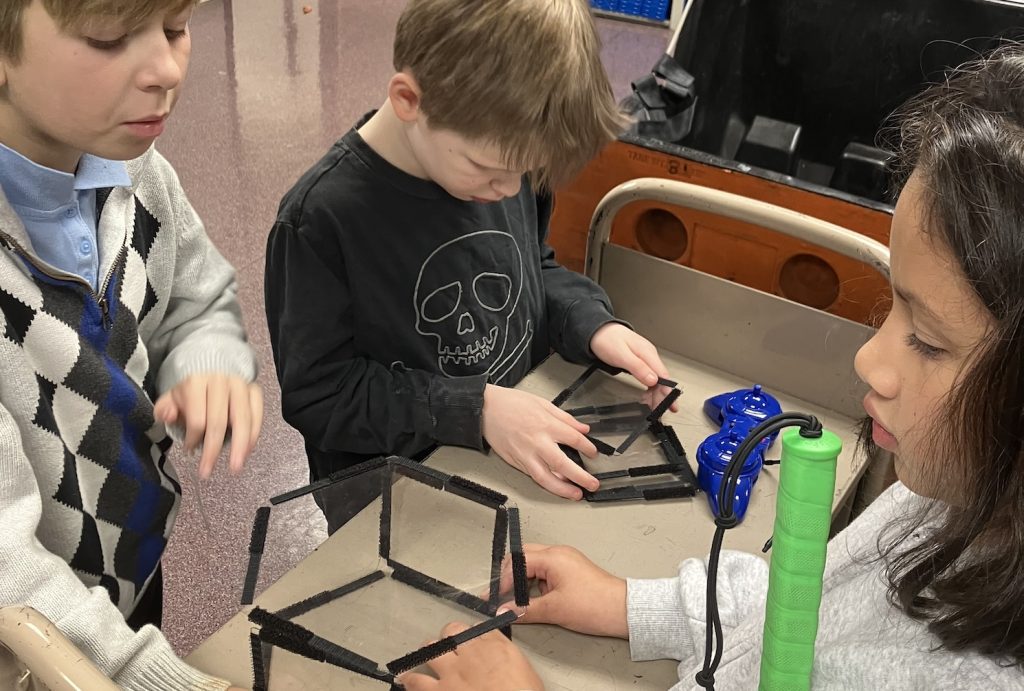
Day of Code events are in-person regional events that give students and teachers hands-on exploration and learning opportunities. Regional events will take place in 6 states throughout the fall leading up to the Coding Symposium.
Can’t wait for December?! Get started here with Coding Symposium content:
- Access Academy Webinar Series: Coming Soon Fall 2026!
- New Quorum Coding Course on the APH HIVE
- National Coding Symposium playlist
- And virtual resources on Accessible Coding in the APH HIVE
-
This symposium collaborates with educational partners nationwide to showcase engaging coding activities that inspire and empower. Designed to ignite the passion for coding among students from elementary to college levels, our symposium cultivates future leaders in programming and software development.
For educators, we provide invaluable ideas, resources, and support to effortlessly integrate coding concepts into their teaching curriculum. Accessible coding activities can be replicated before, after, or during our symposium by accessing our resources page. Get ready to embark on a journey where coding becomes not just a skill, but a gateway to boundless opportunities.
-
Students in grades K-College will benefit from attending the Symposium. Different programming codes and products will be discussed as well as career opportunities in programming and related careers.
Teachers of students with visual impairments and assistive technology specialists who would like to integrate coding into their lesson plans and curricula will learn about activities, resources, tips, and pathways to overcoming inaccessible learning platforms and confusing coding lessons. ACVREP credits will be available for the virtual event in December.
Computer Science and classroom teachers are encouraged to attend to learn about accessible coding activities and teaching methods to incorporate in their lessons. Coding can be for all learners!
Parents will discover information about how to support and encourage a child with an interest in coding.
-
The event will be held on Tuesday, December 8, 2026, from 12:00 – 4:00 p.m. eastern time. The full agenda with session times and additional information will be announced soon.
Coding is fun, challenging, and accessible across platforms and skill levels. Join us for a dynamic blend of inspirational speakers, thought-provoking panel discussions, illuminating presentations, and hands-on demonstration sessions. You can read about previous coding symposiums from a non-coding perspective in our blog, Accessible Coding: A Reflection From a Non-Techie.
-
Deborah Armstrong
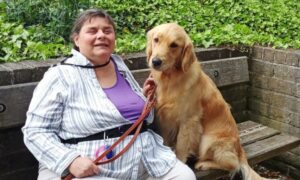
Session Title: “A beginner’s Guide To Visual Studio Code”
Session Description: Visual Studio Code is the integrated development environment professional blind programmers today consider to be the most accessible. Also widely adopted by the sighted community of coders, Microsoft has invested heavily in adding full accessibility to this software. The latest version is even easier to use with a screen reader than previous versions demonstrated at the symposium in previous years. I will show how the interface works and provide a handout that lists all procedures covered including keyboard shortcuts. For middle, high school and college students, learning to code with a tool used by professionals can build confidence in one’s employability in this field.
Presenter Bio: I’m Deborah Armstrong. I work at a community college as its alternate media specialist, but before that, I was a computer programmer for thirty years; I am 68. I stopped programming because I got tired of the deadlines and pressure and wanted to simplify my life. I still write code as a hobby. I wrote the fourth screen reader for the IBM PC, which was called VideoVoice, back in 1983. I have always been blind. As someone who succeeded by being self-taught and proactive, I often work hard to teach both my students and their instructors how to go about learning to code. I would like to share my experiences and tips. I am an active member of the ACB affiliate Blind Information Technology Specialists and was its education chair. I assisted and wrote some of the curriculum for the three courses we taught last year in Python, Microsoft Office and HTML/Wordpress. I currently am managing and teaching part of an NVDA course we will offer in October; all this work for ACB is of course volunteering.
Andreas Stefik
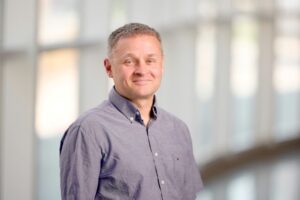
Session Title: 3D Accessible Coding
Session Description: Session description to be announced.
Presenter Bio: Andreas Stefik is a professor of computer science at the University of Nevada, Las Vegas. For the last decade, he has been creating technologies that make it easier for people, including those with disabilities, to write computer software. He helped establish the first national educational infrastructure for blind or visually impaired students to learn computer science and invented the first evidence-based programming language, Quorum. The design of Quorum is created from data derived through methodologies similar to those used in the medical community. He has been a principal investigator on 8 NSF-funded grants, many of which related to accessible graphics and computer science education. Finally, he was honored with the 2016 White House Champions of Change award and the Expanding CS Opportunities award from Code.org and the Computer Science Teachers Association.
Stacy Branham
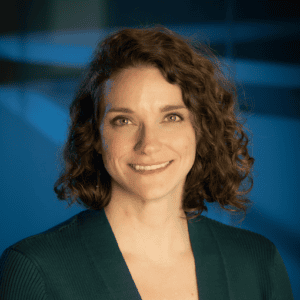
Session Title: Session title to be announced.
Session Description: Session description to be announced.
Presenter Bio: Stacy Branham is an Associate Professor of Informatics who researches and designs technologies with disabled community members to build “beloved community.” For the past three years, she has hosted an annual workshop with local blind high school students, teachers of students with vision impairments, and university employees. Together, they create knowledge, technology, and lasting community toward lowering structural barriers faced by disabled students pursuing STEM in higher education. In her role as a Co-PI of NSF AccessComputing Workforce and a member of the Computing Research Association’s Education board, she leads national efforts to increase participation of disabled students in computing. www.stacybranham.com
-
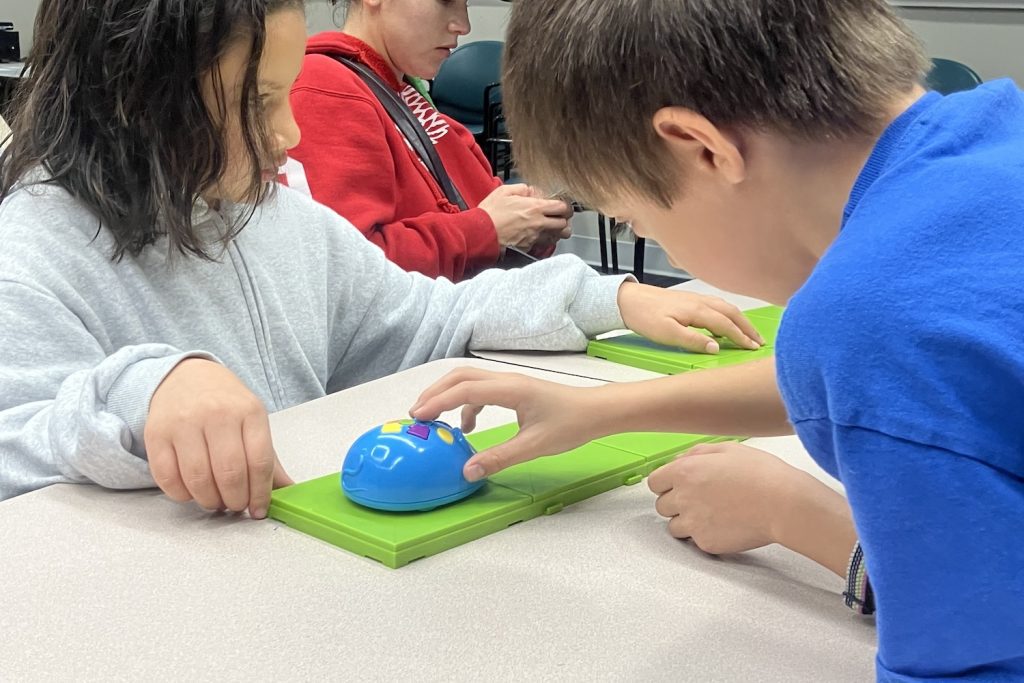
The goal of the Coding Symposium is to build connections between students, teachers, and professionals in computer science. To achieve this goal the Day of Code emerged. This concept began at the California School for the Blind and now stretches across the country. A Day of Code is an in-person regional event that gives students and teachers hands-on explorational learning opportunities.
The “Day of Code” as part of the APH National Coding Symposium:
When: 9/1/26 to 12/31/26
Where: In-person locations around the U.S.
Who: Students who are blind or have low vision, and various types of teachers (Gen Ed, ATS, TVIs, Coding clubs etc.)The focus of each Day of Code may have a unique aspect. Whether it’s exploring the intricacies of Monarch, delving into the capabilities of Quorum, navigating with Screen readers, or building a strong foundation in coding, each Day of Code will be fun and educational.
-
-
- Hive Professional Learning Community – Professional Communities provides a portal to curated webinars, external courses, and provision of other professional resources with the purpose of meeting the needs of people who offer assistance to individuals who are blind or have low vision.
- Gen-Cyber
- Python
- Quorum
- Careers Paths in Coding
- Bridges
- Join the discussion board
-
Contact APH Outreach at [email protected] for more information.